
language
En Ku Ar

Image Title calendar2024-07-25

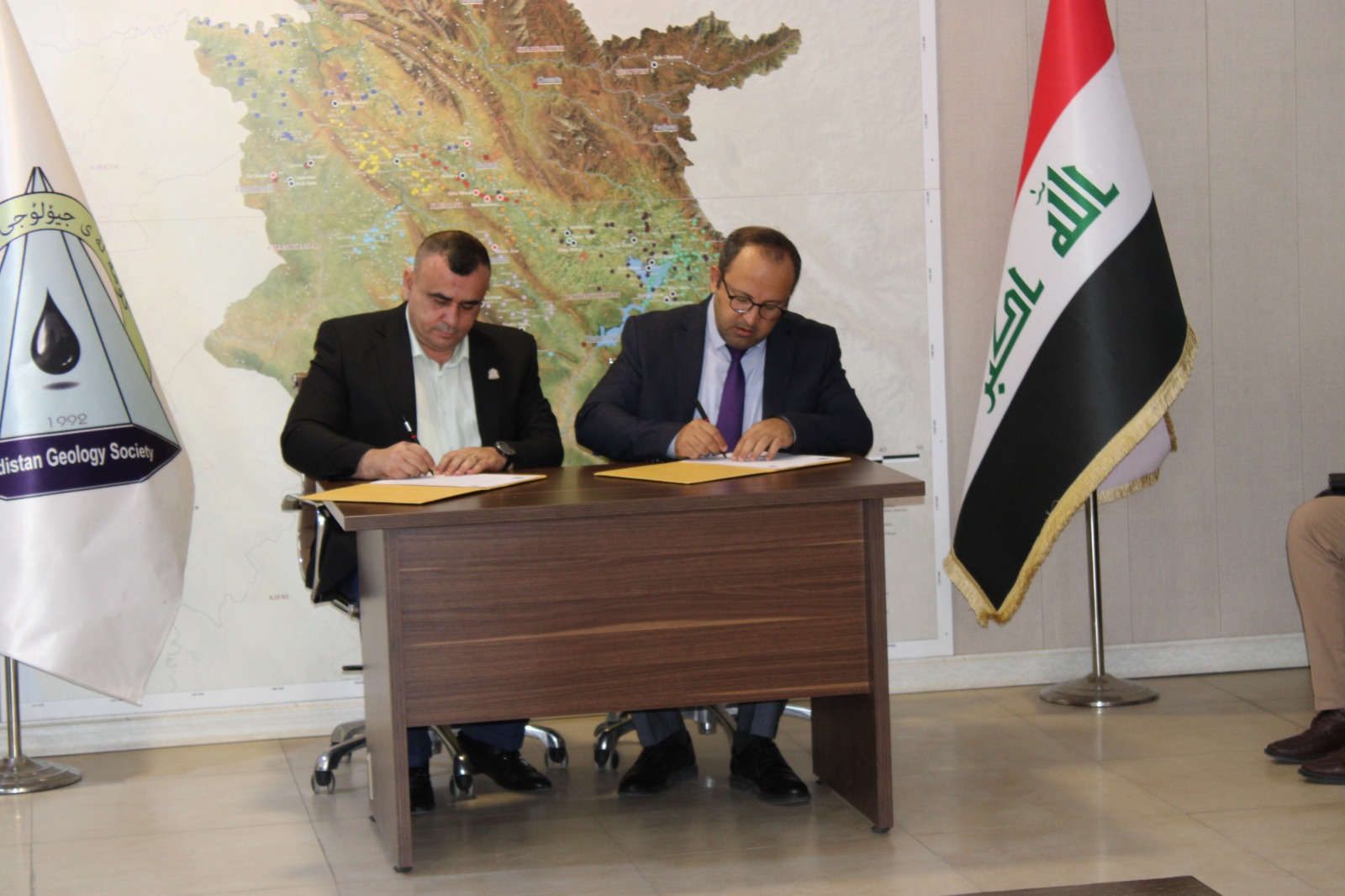
Memorandum of Understanding Between Slemani antiquities and heritage Directorate and Kurdistan Geological Society Slemani Branch

Slemani antiquties and heritage Directorate signed a memorandum of understanding between our directorate as a government entity and Kurdistan Geologists Association Slemani Branch to further coordinate and serve these two fields in Kurdistan in general and Sulaimani in particular.

Image Title calendar2024-01-11

10,000 years ago one of the earliest villages on the Shahrizor Plain was built and lived in at the nearby settlement mound of Bestansur

10,000 years ago one of the earliest villages on the Shahrizor Plain was built and lived in at the nearby settlement mound of Bestansur.

Image Title calendar2025-01-17

Halaf and Late Chalcolithic occupations at Shakar Tepe in the Shahrizor Plain, Iraqi Kurdistan: Preliminary report of the 2023 excavations

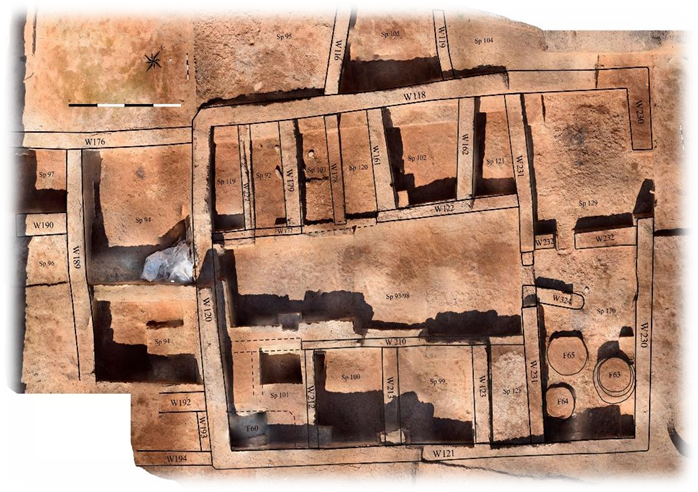
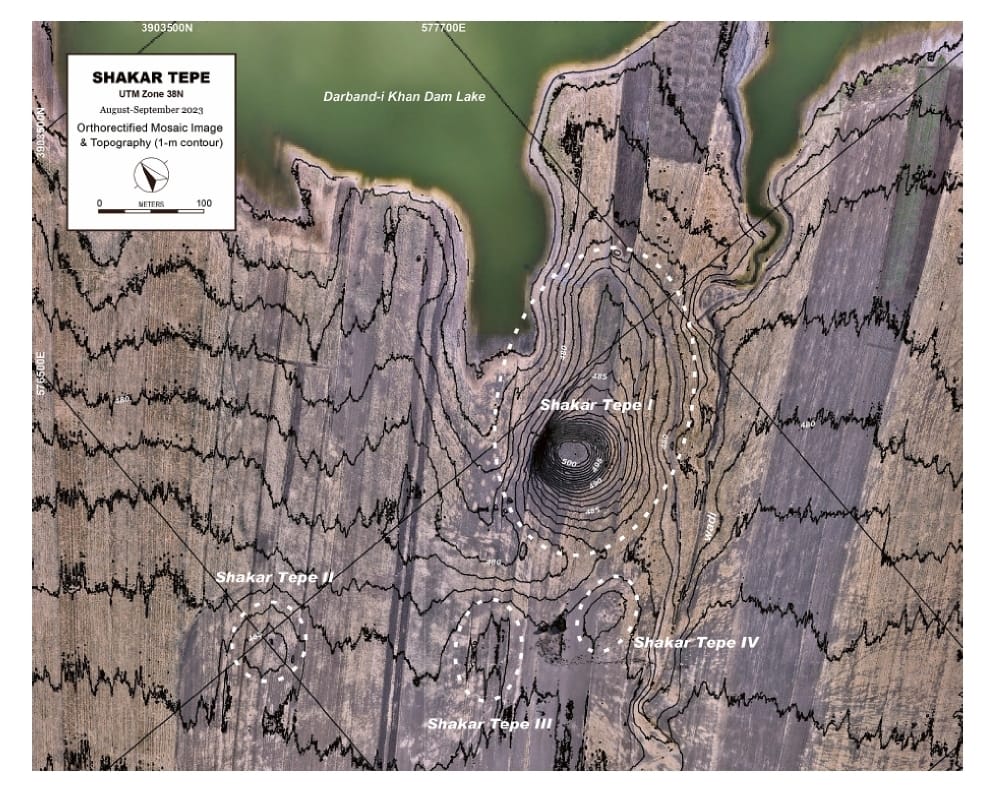
The Shahrizor Plain is one of the ideal fields for tracking the transition from Neolithic village life in the Fertile Crescent to Urbanisation which occurred in Mesopotamia because of its geographical location connecting the mountainside valleys along the Zagros and the downstream Diyala River that flows into the Tigris. Our field project aims to obtain archaeological materials to unveil this process. Following the first excavations at Shakar Tepe conducted in 2019, we excavated two additional areas at this site in 2023, including one of the three satellite mounds that were newly identified around the main mound. The cultural remains of the Late Halaf settlement uncovered from Operation B at Shakar Tepe II date back to approximately 5600–5400 calBC. On the other hand, Operation C at Shakar Tepe I yielded a thick deposit of the Late Chalcolithic occupations dated to ca. 3800–3600 calBC. The recovered materials fill the time ranges in the late prehistoric chronology of the site and will contribute to our understanding of the historical role of this region in the transition from Neolithisation to Urbanisation.

Surveying Dukan Lake

Article Name

 The latest archaeological activity is the survey of some of the archaeological Sites in Dukan Lake.  It is a joint work between the Archeology and heritage Directorates (Slemani, Raperin and Pisa University) of Italy.

The decrease in the water level of Dukan Lake provided an important opportunity to survey some of the archaeological sites in the lake (Ranya - Chawarqurna - Bangird - Khdran) that some of them had not been visited since the 1950s  Despite the difficulties, distance and dangers, the work was done very scientifically, with about 13 archaeological hills recorded.

Changes in the deterioration of the archaeological sites due to lake water, visitors and fishermen, but some new periods, archaeological objects and important clay fragments were recovered and re-recorded.  The use of drones, cameras and GPS points was another task of the project, in order to recreate new maps, determine their archaeological periods and provide new information about the hills.

 The recorded archaeological hills are:

(Grdi-Pres  - Grdi-Bayaz Agha - Grdi-Qurala - Krosk Hill -Grdi- Khazem  - Grdi-Rash  - Grdi-Musa 1 - Grdi- Musa  2 - Grdi-Musa  3 - Grdi-Khoeris  - Grdi-Kamam  - Grdi- Qurashina  - Grdi-Kundu).